


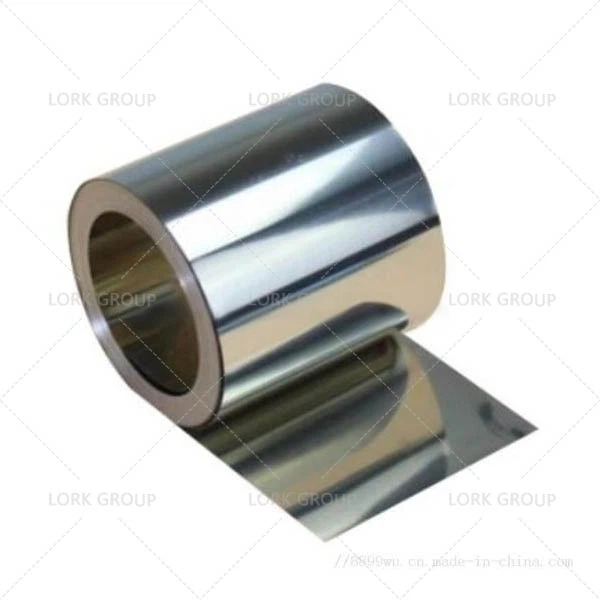
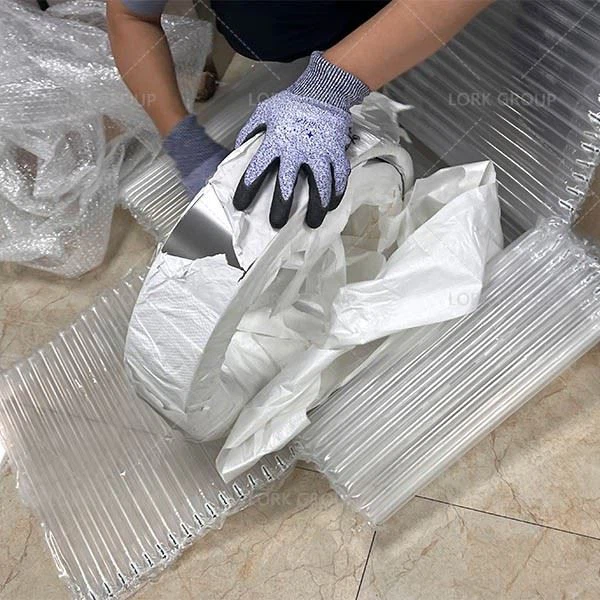
Titanium 15-3-3-3 Alloy Strip (Ti-15V,UNS R58153)
Product Introduction
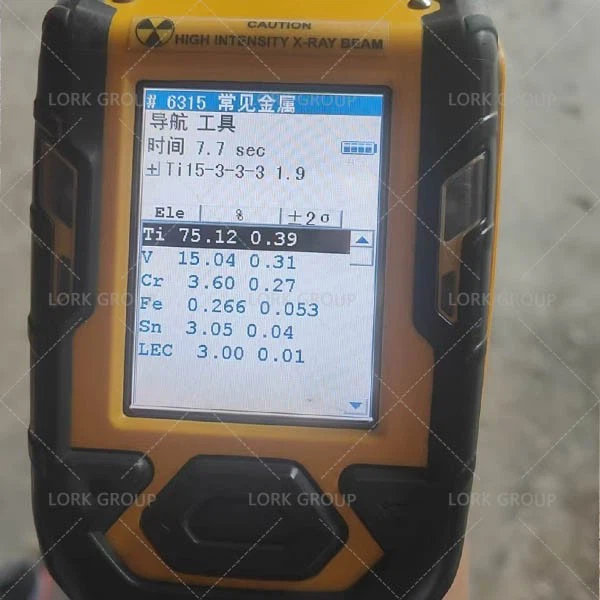
Ti-15-3-3-3 (UNS R58153, AMS 4914; domestic grade TB5) is a metastable beta titanium alloy with a composition of Ti-15V-3Cr-3Sn-3Al. Its core strength lies not in the exceptional prominence of any single property, but rather in its ability to combine two seemingly contradictory characteristics-"cold formability" and "strengthening through heat treatment"-within a single material. This is an achievement rarely matched by other titanium alloys.
The primary distinction between this material and TC4 lies in the fact that, unlike TC4-which requires heating to achieve formability-this material can be directly stamped, bent, and cold-rolled at room temperature. Its strength is subsequently boosted to the 1100–1300 MPa range through post-forming heat treatment. Furthermore, with a density of only 4.78 g/cm³, it is nearly half as heavy as stainless steel. For applications such as aircraft skins, springs, and fasteners-where both lightweight properties and complex geometries are required-Ti-15-3-3-3 currently stands as one of the optimal solutions.
However, a critical temperature limitation must be clearly noted: its maximum long-term service temperature typically does not exceed 300–350°C. Above this threshold, its strength degrades significantly, rendering it unsuitable for high-temperature engine components. Nevertheless, for use in aircraft skins and airframe structural components, performance at temperatures below 300°C is entirely adequate.
Machining and Welding
The heat treatment of Ti-15-3-3-3 is not complex; however, the sequence of operations and the control of parameters must be precise. We can summarize this simply as a three-step process: "Solution Softening → Cold Forming → Aging Strengthening."
Step 1: Solution Treatment (Key to Softening)
Step 2: Cold Forming (Core Advantage)
Step 3: Aging Treatment (Key to Hardening)
Welding-Feasible, but requires post-weld heat treatment.
Machining-Feasible, but results in high tool wear.
A special note here for customers who frequently purchase Ti-15-3-3-3 from Lork Group: addressing the common machining questions they raise, the core logic for machining this alloy is as follows-use a deeper depth of cut, reduce the spindle speed, and ensure ample coolant supply. Do not be afraid to cut deeply; the real risk lies in cutting too shallowly. A shallow cut causes work hardening through friction, leading to rapid tool wear and premature tool failure.
Direct Use in Cold-Worked Condition: For components such as springs and fasteners, customers can directly purchase wire or strip stock in the solution-treated condition, perform cold coiling or cold stamping to form the parts, and then carry out the aging treatment themselves. Alternatively, some suppliers offer finished products in the "cold-worked + aged" condition, though these typically command a correspondingly higher price.
For more information, please contact:
Email: susan@lorkgroup.com
WhatsApp: +86 19937075488
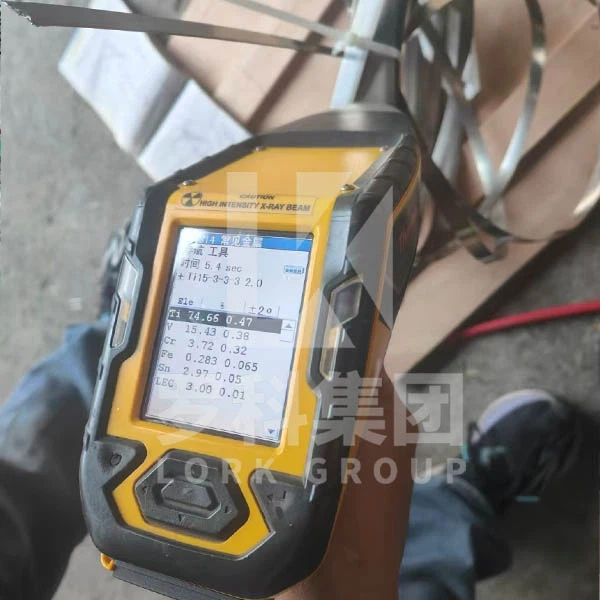
Chemical Composition
(Ti-15-3-3-3 / AND R58153)
| element | Content Range |
| Ti | Remaining (approx. 76%) |
| V | 14.0-16.0% |
| Cr | 2.5-3.5% |
| Sn | 2.5-3.5% |
| AI | 2.5-3.5% |
| O | ≤0.13% |
| C / N / H / Fe | Trace amounts; strictly controlled |
Mechanical Properties
(The different states of Ti-15-3-3-3 vary significantly.)
| Performance Metrics | Solution-Treated (Soft) | Annealed | Aged (Strong) |
| Heat Treatment Conditions | 800–820°C Solution Treatment + Air Cooling | 792°C + Air Cooling | Solution Treatment + Cold Working + 510–540°C Aging |
| Tensile Strength | 700-800 MPa | Approximately 703 MPa | 1000–1300 MPa (typically approx. 1100 MPa) |
| Yield Strength | Approx. 690 MPa | Approx. 690 MPa | Above 966 MPa |
| Elongation | 20-25% | ≥12% | 8-12% |
| Hardness | Approx.30 HRC | - | 32 HRC |
| Elastic Modulus | - | 82 GPa | 82 GPa |
Technical Consultation Prior to Quotation
Before proceeding with the purchase of Ti-15-3-3-3 strip or wire, we need to clarify several fundamental and technical details to ensure we can provide you with a real-time and accurate quotation:
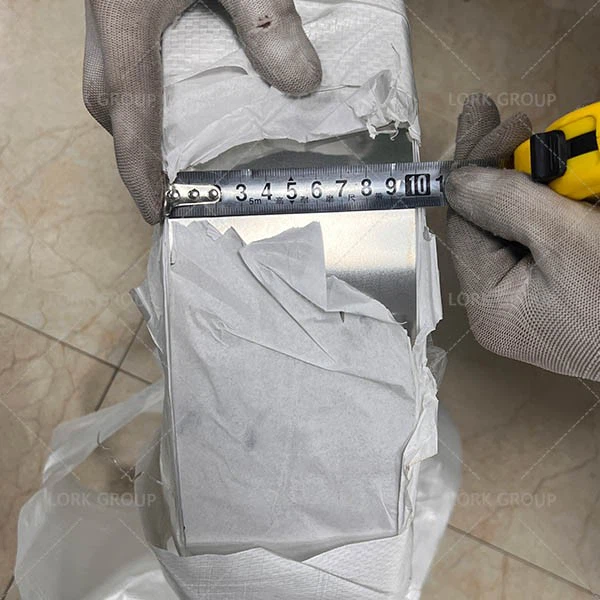
Dimensions: Thickness (common for strip: 0.1–6.35 mm), Width, Diameter (for wire)
Forms: Strip, Wire, Foil, Plate
Condition: Solution-treated (soft state; easy to process, but requires customer to perform subsequent aging treatment) OR Aged (high strength; ready for immediate use)?
Surface Finish: Bright, Pickled, Polished
Certification Requirements: Aerospace grade requires adherence to AMS standards, inclusion of an EN 10204 3.1 inspection certificate, and full traceability.
Recommendations for Selecting the Right Condition:
Need to perform your own stamping/forming/cold working? → Choose Solution-treated (soft; easy to work with).
Producing finished springs/fasteners directly? → Choose Aged (high strength; ready for direct assembly).
Have in-house aging capabilities after cold working? → Solution-treated is the more cost-effective option.
Price Reference and Market Trends
Ti-15-3-3-3 is classified as a high-end titanium alloy. Based on current market conditions, standard-sized bars are generally available in stock; however, strip and wire forms typically require custom production and command a higher price point compared to TC4. Several factors influence the pricing:
Vanadium Prices: The alloy contains 15% vanadium; fluctuations in vanadium market prices directly impact production costs.
Processing Complexity: Thin strip (<0.1 mm) is significantly more expensive than thick strip; fine wire is more expensive than coarse wire.
Condition: The Aged condition is more expensive than the Solution-treated condition.
Certification Requirements: Aerospace grade (AMS-certified) is more expensive than industrial grade.
Order Volume: Unit prices are higher for small-batch orders.
Furthermore, the specifications of strips and wires have a significant impact on pricing-specifically, thin strips under 0.1 mm and fine wires under 0.5 mm involve complex drawing processes, resulting in significantly higher costs. Please provide us with your specifications (thickness/diameter), temper/condition, and required quantity to receive a quotation.
Hot Tags: titanium 15-3-3-3, alloy strip, ti-15v,uns r58153, titanium alloy,
You Might Also Like


Send Inquiry