

Lork Metallic Materials Aerospace Application Guide
Modern aircraft are complex systems composed of a variety of advanced materials. Different types of materials, based on their unique properties, are precisely applied to the most suitable locations to achieve a balance between safety, performance, and economic efficiency. Lork Group maintains a stock of six types of materials to meet the demands of aviation development: nickel alloys, cobalt alloys, titanium alloys, precision alloys, stainless steel, and aluminum alloys. These metallic materials are available for selection by professional manufacturers, purchasing personnel, and research and testing staff.
Aerospace is a cutting-edge field of materials science, with extremely stringent performance requirements for metallic materials. These materials typically need to meet comprehensive performance indicators such as being lighter, stronger, more heat-resistant, and more corrosion-resistant. Production fully complies with AMS production standards and some ASTM testing standards. This catalog uses data to systematically introduce the applications of aluminum, titanium, nickel-based superalloys, cobalt alloys, steel, and precision alloys in aerospace.
Taking common civil aircraft as an example, the main metallic materials used in aircraft are in two aspects:
1. Aircraft structure (fuselage, wings, tail) 2. Aero engines (fan and compressor, combustion chamber, and turbine)
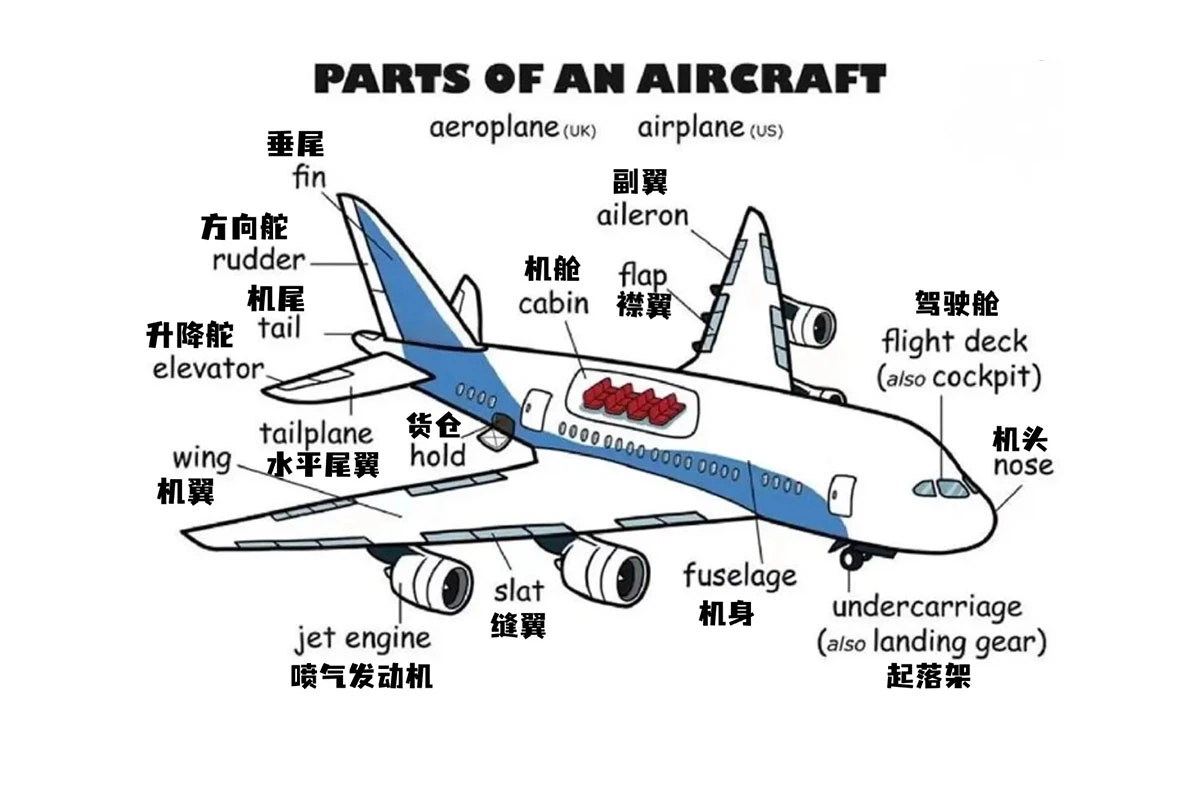
Key materials and applications can be broadly categorized into three main types:
- Power and High-Temperature Components
Nickel-Based High-Temperature Alloys – Turbine Blades, Discs
Cobalt-Based High-Temperature Alloys – Guide Blades, Wear Rings
- Functional and System Components
Stainless Steel – Fasteners, Piping, Bearings
Precision Alloys – Sensors, Electronic Systems
- Main Structural Materials
Aluminum Alloys – Skin, Frame
Titanium Alloys – Key Structural Components, Landing Gear
Nickel alloy Aerospace Materials
Nickel alloys for aerospace use are selected for their ability to withstand extremely high temperatures, corrosion, and constant wear, as well as for their magnetic properties. Nickel alloys are structurally some of the toughest materials available, as well as being good conductors of electricity.
Nickel alloys are primarily used in aero-engines, and secondarily in high-temperature areas of aircraft fuselages.
As aerospace technology advances, the significance of material selection becomes even more critical. Nickel alloys remain at the forefront of innovation, propelling aerospace engineering to new heights of performance and safety. For more information or support, get in touch with our team today.
Application Components
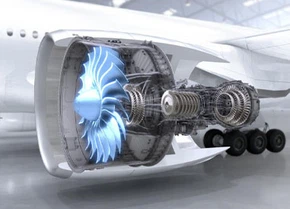
Engine Components
Nickel alloys are used most extensively and have the highest requirements in the aerospace industry. Other materials used for turbine blades include Rene N4 and CMSX-4; turbine disks commonly use Waspaloy alloys; combustion chambers often use cast alloys such as C263 and Haynes 230, and wrought alloys such as Hastelloy X, Inconel 617, and Inconel 625; and guide vane blades often use Rene 80 and IN-738 alloys.

Aircraft fuselage
There are three main types of nickel alloys commonly used in aircraft airframes: thrust reversers, hot-end piping systems, and high-speed aircraft skin and structure. Thrust reversers most commonly use Inconel 625 and Inconel 718 alloys; hot-end piping systems typically use Inconel 600 and Inconel 625 alloys; and high-speed aircraft skin and structure use Inconel 718 alloy.
Common Grades
Nickel-based alloys play a crucial role in the aerospace field due to their outstanding high-temperature strength, corrosion resistance, and oxidation resistance, ensuring the safety and reliability of aircraft in extreme environments.
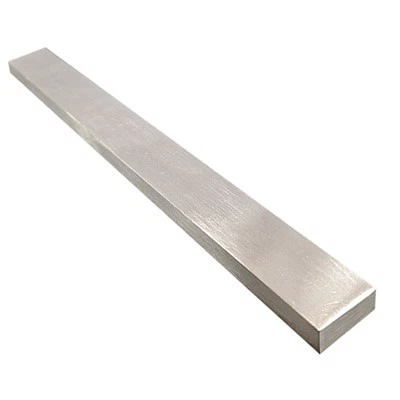
Inconel 718
This alloy has excellent high-temperature strength and creep resistance, and is widely used in turbine blades, compressor disks, and combustion chamber components.
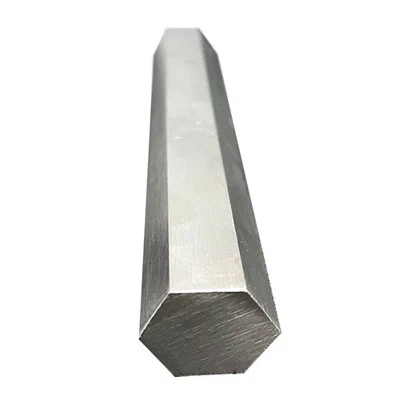
Inconel 625
Due to its excellent oxidation and corrosion resistance, it is widely used in aircraft engines and structural components.
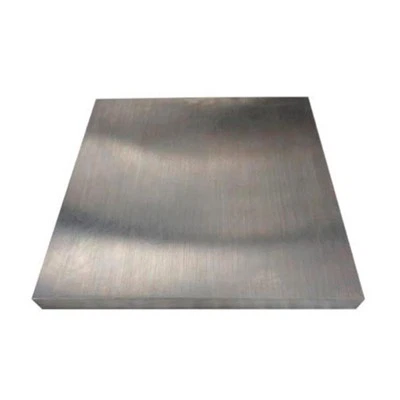
Haynes 230
It has excellent oxidation resistance and high-temperature strength, making it suitable for combustion chambers and other high-temperature components of gas turbine engines.
Hastelloy X
This alloy is known for its outstanding strength and oxidation resistance at high temperatures, and is commonly used in combustion chambers and other high-temperature components.
Cobalt Alloy Aerospace Materials
Cobalt alloys have a major limitation: their solid solution strengthening is lower than that of nickel-based alloys strengthened by the γ' phase. Therefore, cobalt alloys are rarely used in rotating components subjected to extremely high centrifugal stress (such as turbine blades), but are more often used in stationary components subjected to thermal stress and wear.
Application Components
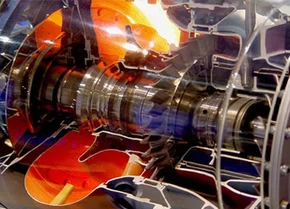
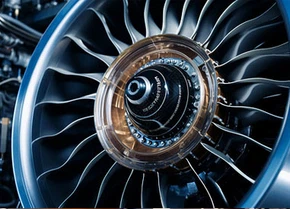
Turbine outer ring
while the turbine outer ring/sealing ring uses X-40, Stellite 6, and Tribaloy series cobalt alloys.
Common Grades
Cobalt-based superalloys are a distinctive branch of aerospace materials. They do not pursue extreme strength, but rather focus on solving durability problems in extreme environments. They withstand the most severe thermal shocks and chemical corrosion, ensuring the stable operation of the heart of aero-engines.
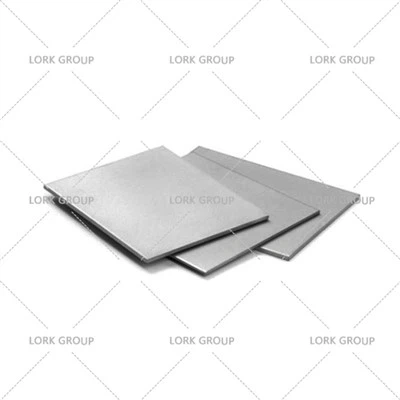
AMS 5608 products are generally used for formed and drawn parts requiring high strength up to 1800 °F (982 °C), in addition to oxidation resistance up to 2000 °F (1093 °C).
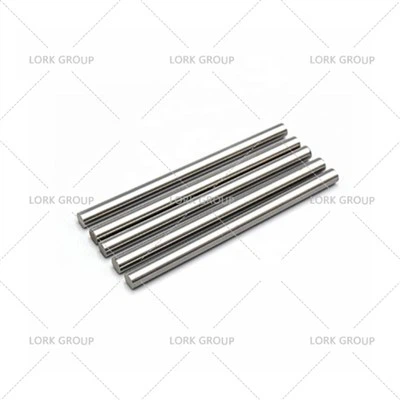
AMS 5844 MP35N is a multi-phase alloy containing Nickel, Cobalt, Chromium, and Molybdenum with a unique range of properties - ultra high strength, toughness, biocompatibility, and corrosion resistance.
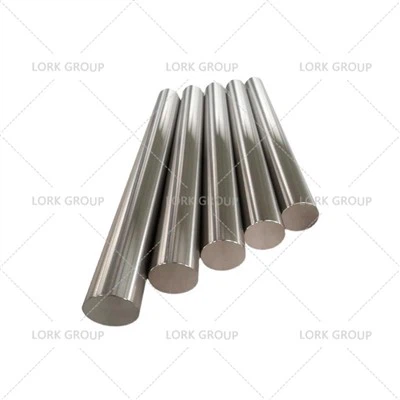
Lork Group is a professional MP159 cobalt alloy MP159 supplied by Lork Group meets AMS 5841 Bar (Solution Heat Treated)
Solution Heat Treat: 1900°F - 1925°F / 4-8 hours + Water Quench
Haynes Alloy 25 is a solid solution-strengthened cobalt-chromium alloy with excellent oxidation resistance. Haynes Alloy 25, supplied by Lork Group, has good forming characteristics and can be forged.
Titanium Alloy Aerospace Materials
Titanium alloys are "strategic metals" in the aerospace field, and their application level is an important indicator of the advancement of aircraft. They are commonly used in components such as fan/compressor discs and blades for aircraft engines, aircraft fuselage structural parts, landing gear, and fasteners.
Application Components
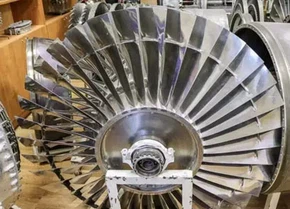
Engine disc and blades
Ti-6Al-4V: The "ace alloy" of the aerospace industry, accounting for more than 50% of all titanium alloys. Ti-6242S: Offers even better high-temperature creep resistance. Applications: High-pressure compressor discs and blades in engines.
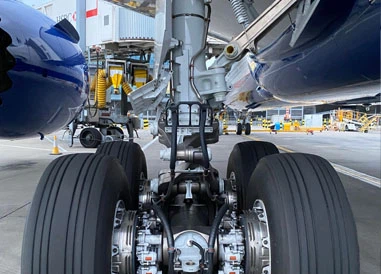
Main landing gear beam
Ti-5553: A high-strength near-β type titanium alloy with good hardenability and high strength. Application: Main landing gear beam of Boeing 787 passenger aircraft.
Common Grades
There are different grades of aerospace-grade titanium alloy materials available, depending on your specific application scenario.
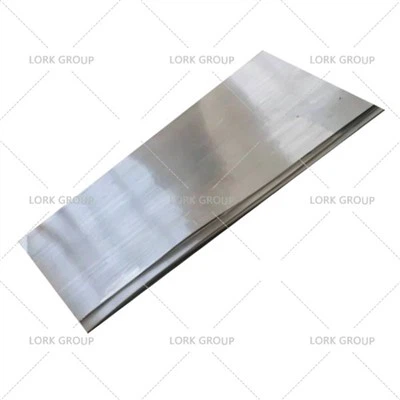
AMS 4902 Grade 2 Titanium Sheet is a versatile, corrosion-resistant material tailored for aerospace applications where formability and weight savings are critical.

Lork Group is a trusted global supplier of Titanium Alloy 8Al-1Mo-1V (AMS 4972/UNS R54810), offering premium-quality material for critical aerospace, medical, and industrial applications.
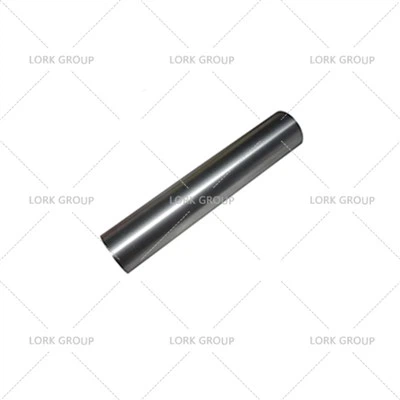
AMS 4928 covers Ti-6Al-4V in bar, forging, and ring forms. Governed by stringent aerospace material specifications.
AMS 4918 6Al-6V-2Sn
Titanium 6Al-6V-2Sn (6-6-2) is a heat-treatable, high-strength titanium alloy with higher strength and cross-section hardenability than 6Al-4V.