

Inconel 713C: Properties, Applications, And Selection Guide For High-Temperature Cast Nickel-Based Alloys
Sep 09, 2026
Leave a message
As aero-engines, industrial gas turbines, turbochargers, and high-temperature energy equipment evolve toward higher operating temperatures and greater efficiency, critical cast components demand superior high-temperature strength, oxidation resistance, and castability. Inconel 713C, a classic precipitation-strengthened cast nickel-based superalloy, is widely used in complex, high-temperature structural components due to its excellent load-bearing capabilities and casting performance.
For customers looking to source Inconel 713C castings, master alloys, or custom superalloy parts, material selection should not be based on temperature ratings alone. Procurement evaluation must consider the specific alloy grade, casting method, component geometry, heat treatment condition, and final inspection standards.
Product Positioning: Focused on 900°C-class cast superalloys.
Inconel 713C is a nickel-based cast superalloy strengthened by γ′ phase precipitation. As a classic precipitation-hardened superalloy, it features a high γ′ strengthening phase volume fraction of 20%–25%, which imparts exceptional high-temperature strength and creep resistance at temperatures up to 900°C.
The "C" in the alloy's designation signifies its excellent castability. Due to the extremely high content of the strengthening phase, 713C is inherently non-forgeable and can only be shaped via precision casting. Its cobalt-free composition results in raw material costs more than 30% lower than those of comparable cobalt-containing alloys, making it a prime example of a material that balances performance with cost-effectiveness.
The most outstanding advantage of Inconel 713C is not a single mechanical property, but the comprehensive balance between high-temperature strength, oxidation resistance, thermal fatigue resistance, and casting performance.
chemical component
| Element | Content (%) |
| Ni | 72.00 - 76.00 |
| Cr | 12.00 - 14.00 |
| Al | 5.50 - 6.50 |
| Mo | 3.80 - 5.00 |
| Nb | 1.80 - 2.50 |
| Ti | 0.50 - 1.00 |
| C | 0.08 - 0.16 |
One of the key advantages of Inconel 713C is its excellent high-temperature strength. Elements such as Al and Ti in the alloy promote the formation of γ′ strengthening phases; these phases effectively impede dislocation movement, thereby enhancing the material's yield strength and creep-rupture properties at high temperatures.
mechanical property(room temperature)
| property | value |
| tensile strength | 900-1050 MPa |
| yield strength(0.2%) | 700-830 MPa |
| Elongation | 2-5% |
| hardness | 300-360HB |
Specific mechanical properties cannot be assessed in isolation from the casting process, part dimensions, heat treatment conditions, and inspection standards.
How to select Inconel casting alloys?
If a component requires a favorable balance of properties combined with a complex cast structure, Inconel 713C is typically a well-established choice; however, if requirements regarding operating temperature, sustained loading, and high-temperature creep resistance are more demanding, higher-grade cast nickel-based superalloys-such as 738LC or 792-may be considered.
Among cast nickel-based superalloys, Inconel 713C, Inconel 738LC, and Inconel 792 can all be used for high-temperature turbine components, though their design priorities differ.
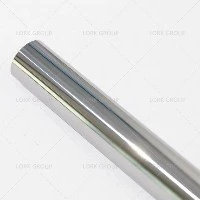
Balancing high-temperature strength with castability, this material is well-established in application and suitable for turbine blades, turbochargers, and other high-temperature castings.

It places greater emphasis on high-temperature strength, creep resistance, and long-term service capability, and is primarily used for high-temperature components such as gas turbine blades and guide vanes.
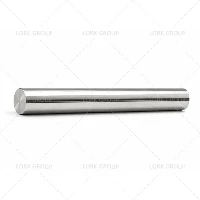
Reinforced design for more demanding high-temperature environments; suitable for hot-section components of high-performance gas turbines, aero-engines, and similar equipment.
Actual material selection cannot be based solely on "grade classification"; instead, a comprehensive assessment is required, taking into account specific operating temperatures, loads, service duration, thermal cycling, and component geometry.
In what fields is Inconel 713C primarily used?
Inconel 713C has long been used in aerospace, gas turbines, automotive turbocharging systems, and other high-temperature industrial equipment.

In the field of aero-engines, Inconel 713C is used for turbine blades, components surrounding turbine disks, and other cast parts subject to high temperatures and mechanical loads. For industrial gas turbines, its high-temperature strength and oxidation resistance meet the operational requirements of certain turbine hot-section components.
Additionally, Inconel 713C is suitable for turbocharger components. Given the high temperatures on the exhaust side of automotive engines-where parts must withstand high-temperature gases, thermal cycling, and mechanical stress-conventional cast steels or aluminum alloys often fail to meet the demands of certain high-temperature operating conditions; consequently, nickel-based superalloys serve as a crucial material choice.
In industrial applications, depending on component design and operating conditions, Inconel 713C is also utilized for various high-temperature furnace components, energy equipment, and other cast products requiring durability at elevated temperatures.
Challenges in Production and Quality Control
The quality of Inconel 713C castings depends not only on the final chemical composition but is also closely linked to melt purity, the stability of the casting process, and the heat treatment conditions. For critical high-temperature components, suppliers must strictly control chemical composition ranges, melt quality, internal casting defects, and heat treatment conditions. In particular, defects such as shrinkage cavities, porosity, inclusions, and cracks require targeted non-destructive testing and quality assessment based on the component's structure and service requirements.
When supplying nickel-based cast superalloys like Inconel 713C, Lork offers customization based on the customer's component structure, dimensions, operating environment, and technical standards. We also provide documentation regarding chemical composition, mechanical properties, heat treatment conditions, and relevant test results as required by the project. For projects demanding high material reliability-such as those in the aerospace and energy sectors-customers may also specify requirements for quality documentation, including Material Test Certificates (MTC), inspection reports, and non-destructive testing records, in advance.
Key Points for Selection and Important Considerations
- Product Form: Inconel 713C is supplied exclusively as precision castings or as-cast bar stock.
- Applicable Standards: Material property requirements vary depending on the standard and manufacturing condition. For critical aero-engine components, compliance with AMS 5395 is mandatory, requiring vacuum melting and 100% non-destructive testing (NDT). For industrial gas turbines, ASTM standards are generally sufficient, with acceptance criteria subject to negotiation.
- Chemical Composition Verification: Suppliers must provide material certification confirming compliance with specified standards. Particular attention should be paid to the content of Ni, Cr, Mo, Nb, Al, and Ti, as well as the control of impurities such as S and P. Niobium and aluminum levels significantly influence strengthening effects.
- Processing and Usage Limitations: The material cannot be forged or hot-rolled due to its high hardness and low ductility. Subsequent processing is limited to grinding, electrical discharge machining (EDM), or conventional machining. Welding performance is poor; therefore, use in load-bearing welded structures is not recommended.
- Heat Treatment Condition: Standard supply conditions include as-cast, hot isostatic pressed (HIP), or HIP plus aged states. When higher ductility and fatigue life are required, the HIP plus aging treatment is recommended.
- Supplier Quality Documentation and Testing Capabilities: For critical high-temperature components, suppliers capable of providing comprehensive heat-lot traceability, as well as reports on chemical composition, mechanical properties, non-destructive testing, and metallography, are generally more suitable for long-term partnership than those offering only low-priced materials.
Lork Group Supply Capability
Product Forms: Master alloy ingots, casting rods for precision casting, and various types of castings.
Standards: Compliant with multiple standards, including AMS 5391, ASTM A597, and GB/T 14992.
Supply Features:
- Each batch is accompanied by comprehensive material certification and mechanical property reports.
- Customization of casting dimensions and heat treatment conditions is available to meet specific customer requirements.
- Certified to the AS9100D aerospace quality management standard, ensuring product quality traceability for the aerospace and precision manufacturing sectors.
From material selection to final delivery, Lork focuses on several key aspects of the customer's project:
Ensuring the correct material choice, stable composition, reliable casting quality, and comprehensive testing, as well as delivering products that meet the customer's specifications.
For customers requiring Inconel 713C castings, master alloys, or custom superalloy products, Lork evaluates projects based on drawings, technical specifications, operating temperatures, and quantity requirements, recommending suitable materials and manufacturing solutions tailored to specific operating conditions.
Lork is committed to providing customers with more than just Inconel 713C material; it offers an integrated superalloy supply solution covering everything from material selection and casting production to quality inspection and delivery documentation.
Lork Group
Marketing Operations Department
Email: claire@lorkgroup.com
WhatsApp: +86 199 3707 5488
Send Inquiry