


Inconel 792 Nickel Alloy Bar (UNS N07792)
Products Description
Cast Nickel-Based Superalloy | γ′-Strengthened | AMS 5387
Inconel 792 is a precipitation-hardened, nickel-based cast superalloy designed for high-temperature, high-stress applications such as gas turbines and aero-engines. Featuring a γ′ phase volume fraction of approximately 65% and strengthened synergistically by elements including chromium, cobalt, aluminum, and tantalum, the alloy exhibits excellent creep resistance and microstructural stability in the 900–1000°C range. Engineered specifically for precision casting processes, Inconel 792 is primarily used for hot-section components such as turbine blades and guide vanes.
Inconel 792 bars supplied by Lork are suitable for high-temperature structural components, precision casting, and the manufacture of superalloy parts. They are commonly available in diameters ranging from approximately 10 mm to 300 mm, with cut-to-length options, special dimensions, and specific delivery conditions available upon request.
The price of IN 792 is significantly influenced by alloying elements such as nickel, cobalt, and tantalum, as well as by forging and heat treatment requirements; pricing is typically handled via inquiries based on specifications and quantities, with the final quote from LORK GROUP serving as the definitive price.
Key Features
Excellent high-temperature strength
Inconel 792 features a high content of the γ′ strengthening phase, enabling it to maintain high strength and creep resistance under long-term loading at elevated temperatures; it is suitable for high-temperature, high-stress environments such as those found in gas turbines.
High-temperature fatigue and creep properties
Inconel 792 focuses on high-temperature load-bearing capacity and is suitable for components subjected to the combined effects of centrifugal force, thermal stress, and mechanical loads over extended periods.

Antioxidant properties
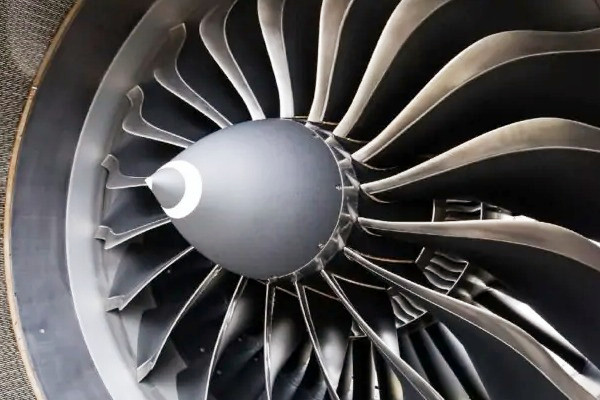
The high chromium content in the alloy enables the formation of a stable, protective oxide film, while elements such as aluminum and tantalum enhance surface stability at high temperatures, making the material suitable for high-temperature combustion atmospheres.
Organizational stability
A well-designed Ni-Cr-Co-Al-Ta alloy system can maintain a stable γ′ strengthening microstructure during long-term high-temperature service, thereby extending the service life of hot-section components.
Chemical composition
| Element | Content (%) |
| Nickel (Ni) | balance |
| Chromium (Cr) | 11.50-14.00 |
| Cobalt (Co) | 8.00-11.00 |
| Tungsten (W) | 3.80-4.70 |
| Tantalum (Ta) | 3.50-4.20 |
| Aluminum (Al) | 3.00-4.00 |
| Titanium (Ti) | 3.00-4.50 |
| Molybdenum (Mo) | 1.50-2.50 |
Specific chemical composition shall be subject to the procurement standards and the actual Material Test Certificate (MTC).
Mechanical and Physical Properties
Room-temperature mechanical properties (as-cast and aged condition)
tensile strength
≥ 1050 MPa
Yield strength (0.2%)
700 – 800 MPa
Elongation
≥ 8%
Hardness
330 – 400 HB
High-temperature performance
Maximum continuous service temperature: approximately 1050°C
γ′ strengthening phase volume fraction: approximately 65%, providing long-term creep resistance.
Physical properties
Density: approximately 8.1 g/cm³
Melting range: 1260 – 1335°C
Processing difficulties
Inconel 792 is classified as a difficult-to-machine nickel-based superalloy due to its high-temperature strength and high content of the γ′ strengthening phase.
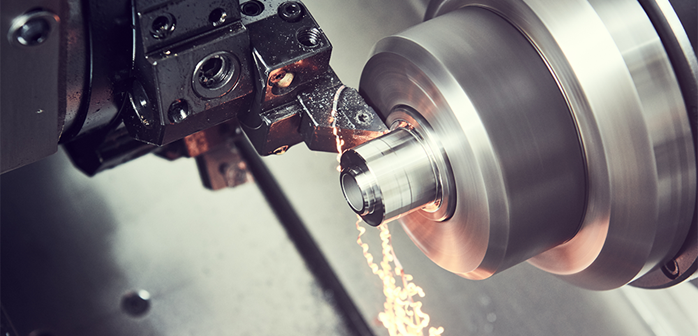
It is prone to work hardening during turning, milling, and drilling operations and is sensitive to tool wear. It is recommended to use sharp, rigid carbide or ceramic cutting tools, while carefully controlling cutting speeds and feed rates to avoid recutting surfaces that have already undergone work hardening.
For large-diameter bars, temperature control during forging and heat treatment is also critical; localized overheating, abnormal grain growth, and microstructural non-uniformity must be avoided.
Application
| Industry Sector | Typical Components | Reasons for Material Selection |
| Aerospace | Turbine rotor blades, guide vanes, combustor components | High-temperature strength (900–1000°C) + oxidation resistance |
| Industrial Gas Turbines | Turbine blades, stator vanes, transition ducts | Long-term high-temperature operational stability + creep resistance |
| Power Generation | Hot-section components, high-temperature seals | Structural reliability in hot-corrosion and oxidizing environments |
| Precision Machined Parts | High-temperature fasteners, valve stems | Machinable from bar stock into various high-temperature structural components |
Lork Group
Marketing Operations Department
Email: claire@lorkgroup.com
WhatsApp: +86 199 3707 5488
Hot Tags: Inconel 792, Alloy 792, Nickel Bar, UNS N07792, AMS 5387, cast nickel superalloy, precipitation-hardening alloy, γ' strengthened alloy, turbine blade material, gas turbine bar, high-temperature alloy bar
You Might Also Like


Send Inquiry