

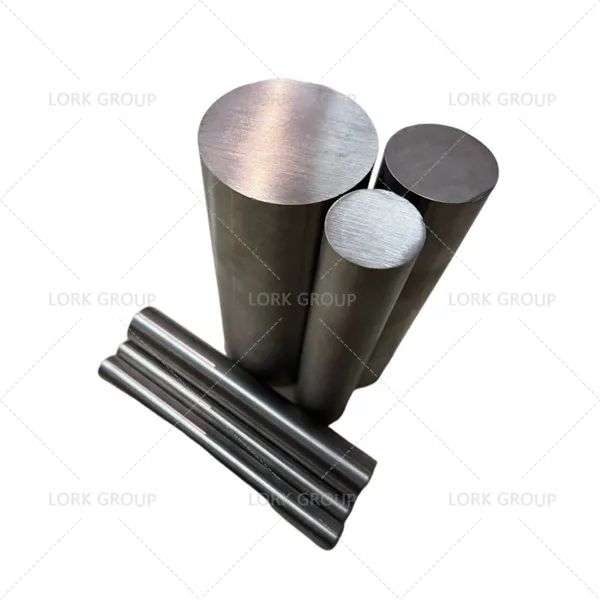
Titanium Grade 29 Titanium Alloy (Ti-6Al-4V-0.1Ru, UNS R56404)
Ruthenium-containing Titanium Alloy | Corrosion-resistant α+β Titanium Alloy | ASTM B265 / B348/B861
Titanium Grade 29 is a high-performance α+β titanium alloy based on Ti-6Al-4V ELI (Grade 23) with the addition of 0.08–0.14% ruthenium (Ru). While retaining the high strength and low density of Ti-6Al-4V, the addition of ruthenium significantly enhances corrosion resistance in acidic halide environments-particularly regarding resistance to crevice corrosion and stress corrosion cracking.
This material is primarily used for industrial equipment and critical components that demand high standards for strength, weight, corrosion resistance, and material purity. LorkGroup supplies Grade 29 bars, plates, strips, tubes, piping, forgings, and custom-machined parts in accordance with ASTM standards and customer drawings; we also provide corresponding material certifications and inspection reports based on product form, dimensions, heat treatment condition, and testing requirements.
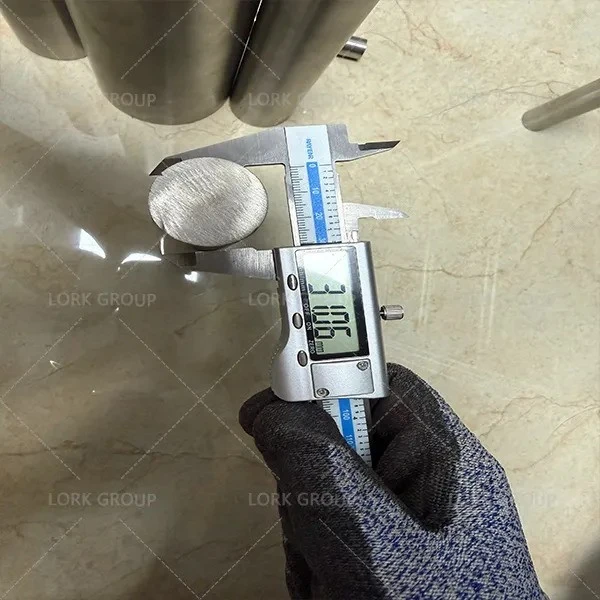
Grade 29 titanium materials are primarily available in various product forms, including annealed bars and wire (2.0–250 mm), cold-rolled sheets and hot-rolled plates (0.5–50.0 mm), strip, and seamless and welded tubing (6.0–219 mm). The products can be manufactured and inspected in accordance with applicable standards such as ASTM B265, ASTM B348/B348M, ASTM B381, ASTM B861, ASTM B862, and ASTM B363.
Chemical Composition
| Element | content(%) |
| Titanium (Ti) | Balance |
| Aluminum (Al) | 5.50-6.50 |
| Vanadium (V) | 3.50-4.50 |
| Ruthenium (Ru) | 0.08-0.14 |
| Iron (Fe) | max0.25 |
| Oxygen (O) | max0.13 |
| Carbon (C) | max0.08 |
| Nitrogen (N) | max0.03 |
| Hydrogen (H) | max0.015 |
Data based on ASTM B265.
Products Description
| Tensile Strength | min828 MPa |
| Yield Strength 0.2% | min759 MPa |
| Elongation | min10% |
| Reduction of area | min25% |
Data based on ASTM B265/B348.
Production Challenges and Technical Capabilities
The core of Grade 29 production lies in the uniform distribution of ruthenium and the precise control of hot-working processes.

Control of uniform distribution of the ruthenium element
The ruthenium content is merely 0.08–0.14%; ensuring its uniform distribution during the melting process is critical, as localized insufficient corrosion resistance could otherwise serve as an initiation point for corrosion. Lork employs the vacuum arc remelting (VAR) process, combined with multiple melting stages, to ensure the uniform distribution of ruthenium.
The hot processing window is narrow, and the deformation resistance is high.
Grade 29 is an α+β titanium alloy with a narrow hot-working window; excessively low temperatures increase deformation resistance, while excessively high temperatures cause β-phase grain coarsening. Lork employs precision-controlled hot rolling and forging processes to ensure a uniform microstructure and stable material properties.
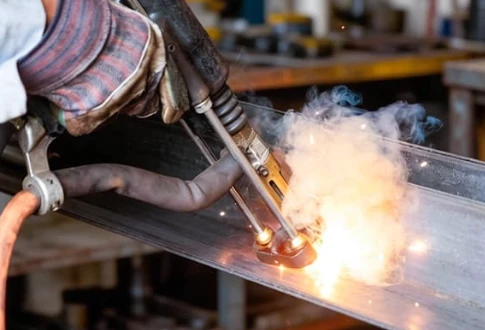
Control of the performance of the heat-affected zone in welding
Welding Grade 29 requires strict control of heat input and cooling rates to prevent microstructural degradation in the heat-affected zone and the risk of hydrogen embrittlement. Lork provides customers with welding process recommendations-including the selection of welding consumables, interpass temperature control, and post-weld heat treatment-to help ensure the production of reliable welded joints.
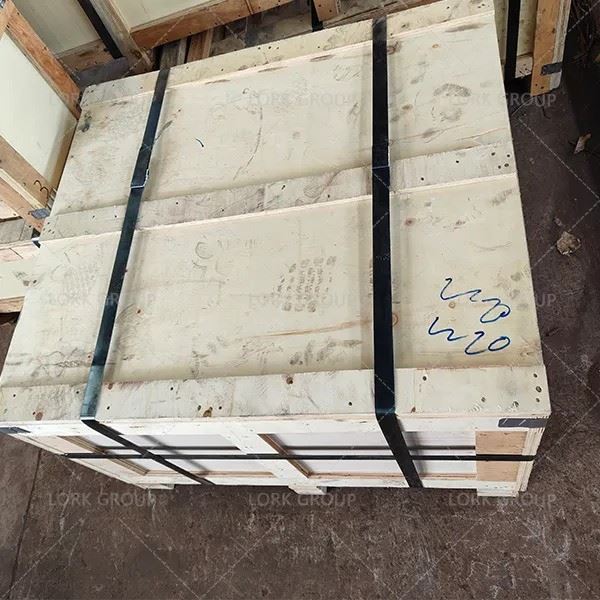
For every batch of Grade 29 products, complete process records and inspection reports are available, ensuring "controllable processes and traceable quality."
Operating environment
Temperature Conditions: Suitable for sour oil and gas environments ranging from low temperatures up to approximately 330°C. It retains high strength at elevated temperatures, though the maximum long-term service temperature requires assessment based on specific media and stress conditions.
Atmosphere and Media Conditions: Suitable for sour brine environments containing H₂S, CO₂, and chloride ions, offering excellent resistance to crevice corrosion and stress corrosion cracking. Its corrosion resistance in seawater and chloride-containing media is significantly superior to that of standard Ti-6Al-4V. It is not suitable for use with strongly reducing acids or highly concentrated oxidizing acids.
Stress Conditions: Suitable for applications involving high fatigue loads and stress corrosion. In applications such as deepwater risers and tapered stress joints, it is capable of withstanding cyclic stresses induced by waves and ocean currents.
Operating conditions to avoid: Not suitable for environments involving high-temperature, strongly oxidizing acids; the risk of hydrogen embrittlement must be assessed during welding, particularly under cathodic protection conditions.
Lork Group
Marketing Operations Department
Email: claire@lorkgroup.com
WhatsApp: +86 19937075488
Hot Tags: Titanium Grade 29, Grade 29 Titanium, UNS R56404, Ti-6Al-4V ELI, Ti-6Al-4V Ru, Ti-6Al-4V-0.1Ru, ASTM B265, ASTM B348, ASTM B861, ELI titanium alloy, ruthenium-modified titanium, corrosion-resistant titanium, geothermal well tubing, offshore riser material
You Might Also Like


Send Inquiry