

ASTM F139 316LVM Sheet / Strip
Vacuum-melted austenitic stainless steel for surgical implants
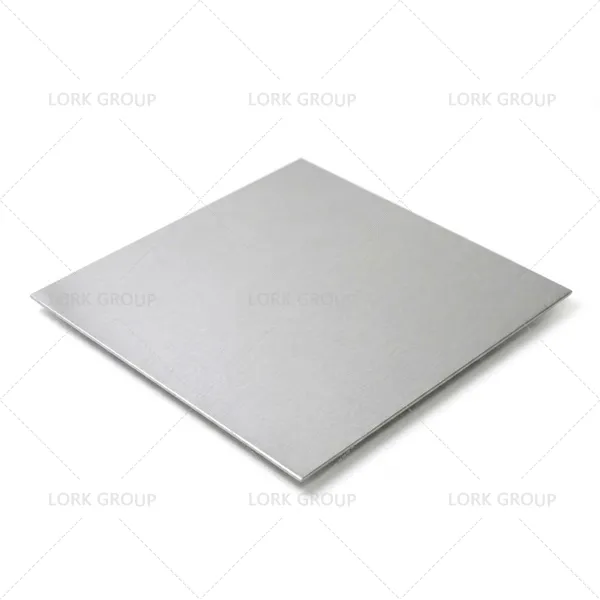
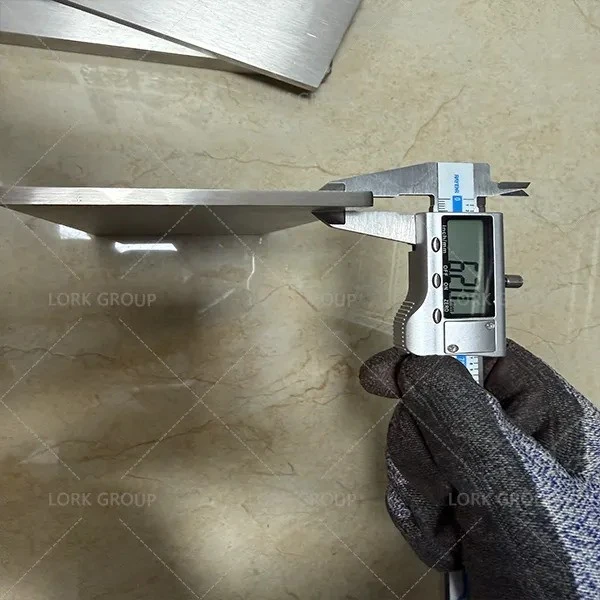
316LVM is a vacuum-melted, molybdenum-alloyed austenitic stainless steel designed specifically for surgical implants and other medical applications. In the form of sheet and strip, it is governed by the ASTM F139 standard. This standard specifies the chemical, mechanical, and metallurgical requirements for wrought 18Cr-14Ni-2.5Mo stainless steel sheet and strip used in the manufacture of surgical implants. The material can be supplied in either an annealed or cold-worked condition, with a variety of surface finishes available-including dull cold-rolled, bright cold-rolled, intermediate polished, general polished, dull satin, high-luster, and mirror-like finishes.
It is crucial to distinguish that UNS S31673 is not equivalent to standard 316L (UNS S31603). The compositional requirements of ASTM F139 are significantly more stringent than those for AISI 316L; furthermore, it mandates that %Cr + 3.3×%Mo ≥ 26 to ensure resistance to pitting corrosion. It is precisely these stricter limitations that grant 316LVM superior cleanliness and corrosion resistance for use in medical implants.
Material standards and grades
| Executive Standard | ASTM F139 |
| UNS Designation | UNS S31673 |
| Material Type | Austenitic stainless steel for medical implants |
| Standard Material Description | Wrought 18Cr-14Ni-2.5Mo stainless steel |
| Product Form | Sheet, Strip |
| Delivery Condition | Annealed or cold-worked |
| Thickness |
Under 4.76 mm
|
| Width |
Under 610 mm
|
| Surface States |
dull cold rolled, bright cold rolled, intermediate polished, general-purpose polished, dull satin-finished, high luster finish, mirror finish, or as specified by the purchaser
|
Chemical composition
| Element | F139 | |
|
Carbon |
max 0.030 | |
|
Manganese |
max 2.00 | |
|
Phosphorous |
max 0.025 | |
|
Sulfur |
max 0.010 | |
|
Silicon |
max 0.75 | |
|
Chromium |
17.00-19.00 | |
|
Nickel |
13.00-15.00 | |
|
Molybdenum |
2.25-3.00 | |
|
Nitrogen |
max 0.10 | |
|
Cobalt |
max 0.10 | |
|
Copper |
max0.50 | |
|
Iron* |
Balance | |
|
Composition Index = % Cr + 3.3 × % Mo |
min 26.0 |
Procurement acceptance shall be based on the designated version of the ASTM F139 standard text and the material certificate.
mechanical property
| Annealed state | cold-worked state | |
| Tensile Strength | ≥490 MPa | ≥860 MPa |
| Yield Strength (0.2%) | ≥190 MPa | ≥690 MPa |
| Elongation | ≥40% | ≥10% |
Data are referenced from the ASTM F139 standard. However, mechanical properties may vary depending on the annealing condition, degree of cold working, thickness, and specimen orientation.
Cleanliness Testing
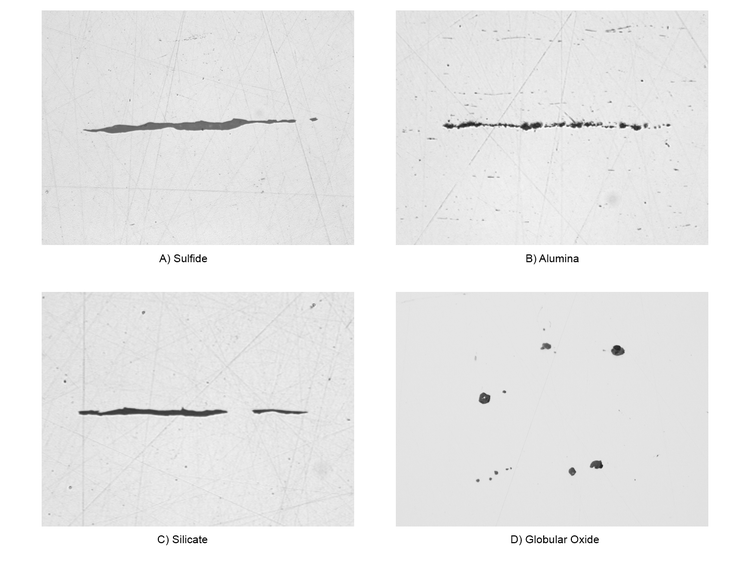
For ASTM F139 316LVM medical implant-grade stainless steel sheets and strips, cleanliness testing is primarily used to evaluate the type, quantity, and distribution of non-metallic inclusions within the material. The control of inclusions is a critical aspect of quality assessment for implant-grade stainless steel, providing insight into the material's metallurgical quality and batch-to-batch consistency.
The testing process typically involves metallographic specimen preparation, microscopic examination, and the rating of non-metallic inclusions-such as oxides and sulfides. Depending on the applicable standards and specific technical requirements provided by the client, appropriate inclusion rating methods are applied. The results are then documented to serve as a basis for material acceptance and quality traceability.
01
Vacuum induction melting
Improve cleanliness
02
VAR/ESR
Further remove non-metallic inclusions
03
Microexamination
Applicable to forged and rolled steel
04
Inclusion rating
The level of inclusions directly affects fatigue life and corrosion resistance.
Lork Group
Marketing Operations Department
Email: claire@lorkgroup.com
WhatsApp: +86 19937075488
Hot Tags: ASTM F139 Sheet, ASTM F139 Strip, 316LVM Sheet, 316LVM Strip, UNS S31673, Medical Implant Stainless Steel, Implant Grade Stainless Steel Sheet
You Might Also Like


Send Inquiry