


Procurement Guide For ASTM F1684 Invar 36
Nov 20, 2026
Leave a message
Foreword
ASTM F1684 specifies requirements for low-thermal-expansion iron-nickel and iron-nickel-cobalt alloys, covering aspects such as chemical composition, mechanical properties, thermal expansion characteristics, and product dimensions. It should be noted that ASTM F1684-06(2021) was withdrawn in 2024 and has no replacement standard. The standard encompasses two types of iron-nickel alloys and one type of iron-nickel-cobalt alloy, specifically designed for applications requiring extremely low thermal expansion.
Invar 36 is an iron-nickel alloy renowned for its low thermal expansion. Composed primarily of nickel and iron, it exhibits a low coefficient of thermal expansion over a specific temperature range, which helps minimize dimensional deviations caused by temperature fluctuations. Consequently, Invar 36 is widely used in precision measuring equipment, optical instruments, electronic devices, and other structural components that demand high dimensional stability.
ASTM F1684 standard and Invar 36 material grade
ASTM F1684 is not limited to Invar 36; rather, it encompasses a range of low-expansion alloys with varying compositions and intended uses. When procuring these materials, it is essential to verify the specific UNS grade-as stipulated in engineering drawings or technical agreements-to avoid inappropriate material substitution based solely on generic terms like "Invar" or "low-expansion alloy."
UNS K93603 is a standard iron-nickel low-expansion alloy with a nominal nickel content of approximately 36%. Known for its low thermal expansion, it is a common choice for precision structural components and parts that require high dimensional stability. UNS K93050 is also an iron-nickel alloy with a nickel content of approximately 36%, but it is a free-machining grade, typically supplied as bar stock under this standard. UNS K93500 is an iron-nickel-cobalt low-expansion alloy-comprising nominally 32% nickel, 5% cobalt, and 63% iron-designed for applications requiring specific thermal expansion matching characteristics.
It is also important to note that, in the marketplace, "Invar 36" is sometimes associated with other designations, such as K93600. One should not assume that materials are identical simply because they share a common name or similar grade designation. Instead, procurement decisions must be based strictly on the UNS grade specified in the order, the applicable material standard, the chemical composition, and the accompanying inspection documentation.
| UNS Designation | Alloy Type | Nominal Composition Characteristics | Nominal Composition Characteristics |
| UNS K93603 | Iron-Nickel Alloy | ~36% Ni, balance Fe | Low thermal expansion |
| UNS K93050 | Free-Machining Iron-Nickel Alloy | ~36% Ni, contains free-machining elements | Suitable for machining |
| UNS K93500 | Iron-Nickel-Cobalt Alloy | ~32% Ni, ~5% Co, balance Fe | Low expansion and thermal expansion matching applications |
Key Performance Characteristics to Consider When Purchasing Invar 36
1. chemical component
The low thermal expansion characteristic of Invar 36 is primarily derived from the approximately 36% nickel content within the iron-nickel alloy system. Since the nickel content-along with the levels of other elements-influences the material's thermal expansion behavior, chemical composition is a critical factor during procurement and acceptance.
| Element | content(%) |
|
Ni |
36 |
|
Fe |
rest |
|
C |
max0.05 |
|
Mn |
max0.60 |
|
Si |
max0.40 |
|
P |
max0.015 |
|
S |
max0.015 |
|
Cr |
max0.25 |
|
Co |
max0.50 |
| Al | max0.10 |
| Mg | max0.10 |
| Zr | max0.10 |
| Ti | max0.10 |
2. Thermal Expansion
The most significant performance advantage of Invar 36 is its low coefficient of thermal expansion. While ordinary steel tends to undergo noticeable dimensional changes in response to temperature fluctuations, Invar 36 exhibits a low rate of thermal expansion within a specific temperature range, making it suitable for components that require high dimensional precision and thermal stability.
|
Temperature Range, °C
|
Thermal Expansion(*10-6)
|
|
30 to 100
|
1.93 |
|
30 to 150
|
2.38 |
|
30 to 200
|
3.03 |
|
30 to 250
|
4.36 |
|
30 to 300
|
6.05 |
|
30 to 350
|
7.51 |
| 30 to 400 | 8.69 |
| 30 to 500 | 10.47 |
| 30 to 600 | 11.75 |
3. Mechanical properties
The mechanical properties of Invar 36 are closely related to its product form, the degree of cold working, and its annealing state. An annealed state typically offers better plasticity and workability, whereas cold working can increase the material's strength and hardness, though it also decreases elongation.
| Condition |
Annealed
|
| Tensile Strength | ≤ 586 MPa |
| Yield Strength (0.2%) | 230-350 MPa |
| Typical Hardness | ≤ 85 HRB |
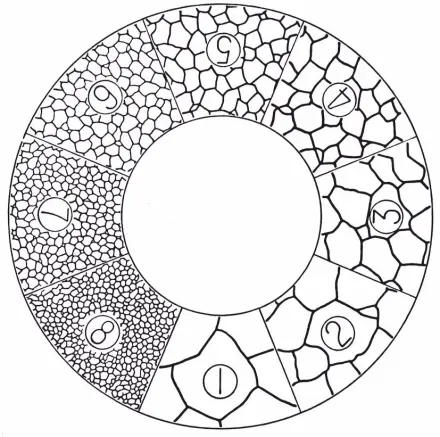
4. Grain size
Grain size influences the microstructural uniformity of a material and certain aspects of its performance in service. For precision machining applications, it is also essential to consider dimensional tolerances-such as the thickness of sheets, width of strips, diameter of bars, or the outer diameter and wall thickness of tubes-as well as flatness, straightness, and surface quality. Specifying these dimensional and surface requirements before procurement helps minimize the need for excess machining allowance and reduces material waste.
What product forms are available for purchase in Invar 36?
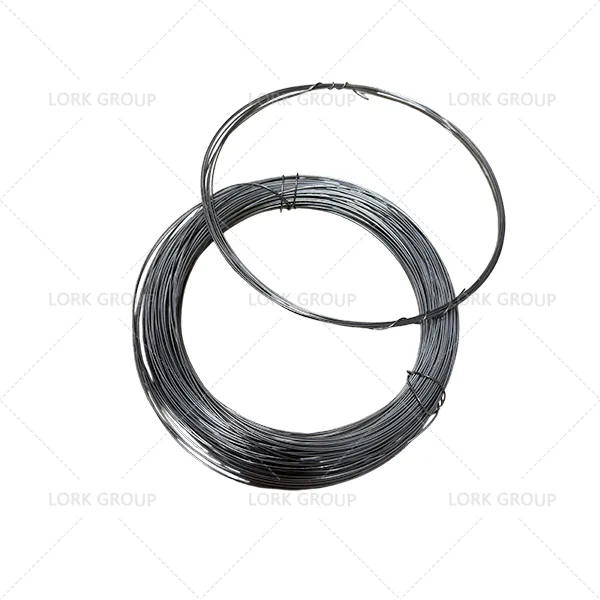
According to the original scope of ASTM F1684, UNS K93603 applies to product forms including wire, rod, strip, plate, and tubing. Different forms are suited to specific processing and assembly requirements.
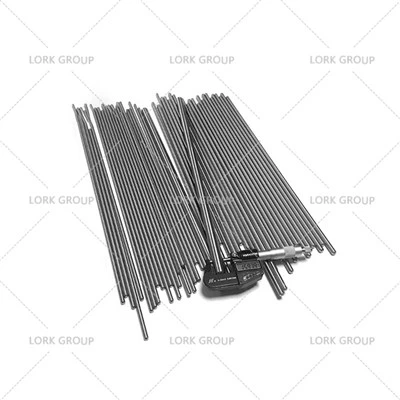

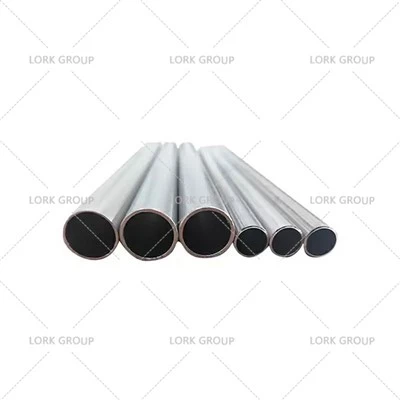
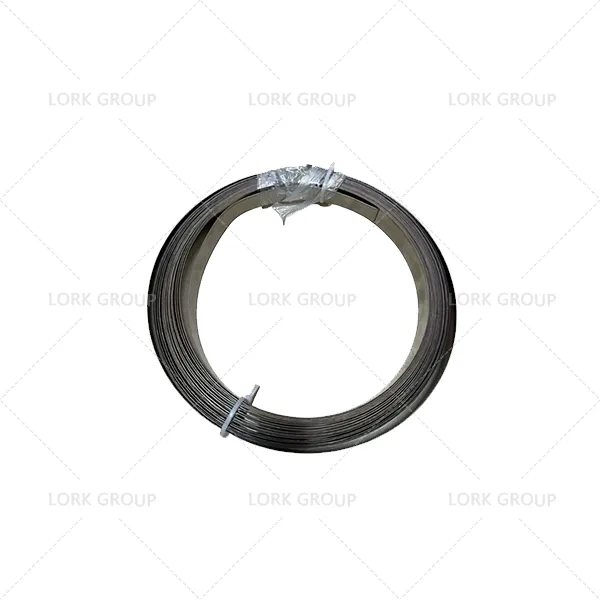
(Click the image link above for more details.)
Invar 36 sheets and strips are commonly used for the structures of precision instruments, support components for optical equipment, and parts requiring high dimensional stability. Bars are suitable for shafts, connectors, and precision-machined components; wires can be used for specific structural applications and precision assemblies; and tubing is ideal for tubular structures where thermal deformation must be controlled. When procuring these materials, one should consider the intended application to specify the required dimensions, delivery condition, surface quality, and machining allowance.
What technical parameters need to be confirmed when purchasing Invar 36?
When procuring Invar 36, first identify the material grade and the applicable technical specifications, and verify whether the engineering drawings specify ASTM F1684-including the specific version. As this standard has been withdrawn, if a project still references a legacy version, the requirements agreed upon by both parties must be explicitly defined in the procurement contract or technical agreement.
Next, specify the product form and precise dimensions-such as the thickness and width for plates or strips, the diameter for rods or wires, and the outer diameter and wall thickness for tubing. Additionally, clarify the delivery condition, surface requirements, dimensional tolerances, and any intended downstream processing methods.
For projects with stringent thermal expansion requirements, it is advisable to define the temperature range for testing, the acceptance limits for the coefficient of thermal expansion, and the specific test methods during the inquiry stage. If the components are intended for precision measurement or optical equipment, confirm in advance whether additional thermal expansion testing is required; do not rely solely on standard chemical composition reports to determine whether the material meets the application's requirements.
Invar 36 Material Inspection and Quality Documentation
-
Material Inspection
Quality acceptance for Invar 36 should be conducted with reference to procurement standards, order requirements, and actual application conditions. Standard inspections typically encompass chemical composition analysis, mechanical property testing, hardness testing, dimensional checks, and surface quality assessment. For projects requiring high dimensional stability, thermal expansion testing may also be included-subject to technical agreement-with the specific temperature range and reporting requirements clearly defined.
-

Thermal expansion property testing
-
Quality Documentation
Upon delivery, the quality documentation-including material grade, heat/batch number, product specifications, delivery condition, and test results-must be reviewed to ensure it accurately corresponds to the materials received. If a project entails additional requirements regarding grain size, specialized surface quality, or other microstructural or material properties, the corresponding inspection methods and acceptance criteria must be established prior to procurement.
About Lork Group
LorkGroup provides Invar 36 materials and customized procurement support tailored to specific project requirements. Our product range includes plates, strips, bars, wires, and tubes. Clients may specify the material grade, dimensions, delivery condition, surface finish requirements, and thermal expansion performance criteria; LorkGroup will then develop a supply solution aligned with these technical specifications.
For legacy projects that still reference the ASTM F1684 standard, LorkGroup can verify material grades and acceptance criteria based on client-provided drawings and technical agreements. We assist in confirming the applicable standard revisions, testing protocols, and quality documentation requirements, offering comprehensive material procurement support for precision instruments, optical equipment, and structural components requiring low thermal expansion.
Lork Group
Marketing Operations Department
Email: claire@lorkgroup.com
WhatsApp: +86 199 3707 5488
Send Inquiry