

What is the minimum operating temperature for AISI 316L Bar?
Dec 19, 2025
Leave a message
As a supplier of AISI 316L bars, one of the most frequently asked questions I encounter is about the minimum operating temperature for these bars. AISI 316L is a well - known austenitic stainless steel grade, valued for its excellent corrosion resistance, good formability, and weldability. Understanding the minimum operating temperature is crucial for various applications, as it directly impacts the performance and safety of the components made from these bars.

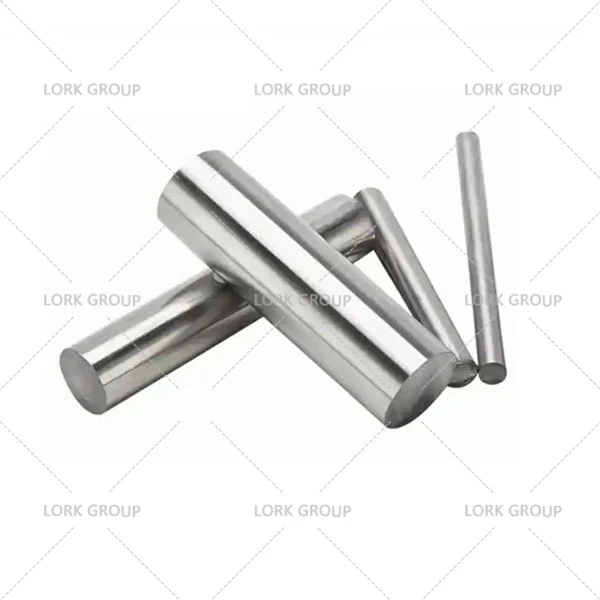
Characteristics of AISI 316L Bars
Before delving into the minimum operating temperature, let's briefly review the key characteristics of AISI 316L bars. This grade contains a significant amount of chromium (16 - 18%), nickel (10 - 14%), and molybdenum (2 - 3%). The chromium forms a passive oxide layer on the surface of the steel, which protects it from corrosion. The nickel enhances the austenitic structure, improving the steel's toughness and ductility. The molybdenum further boosts the corrosion resistance, especially in environments containing chlorides.
AISI 316L is often used in applications where corrosion resistance is of utmost importance, such as in the chemical processing industry, food and beverage industry, marine applications, and medical equipment. Its low carbon content (less than 0.03%) reduces the risk of carbide precipitation during welding, making it suitable for welded structures.
Minimum Operating Temperature of AISI 316L Bars
The minimum operating temperature for AISI 316L bars is primarily determined by its ductile - brittle transition behavior. Austenitic stainless steels like AISI 316L generally have a very low ductile - brittle transition temperature, often well below - 200°C. This means that they retain their ductility and toughness even at extremely low temperatures.
In most practical applications, AISI 316L bars can be safely used at temperatures as low as - 196°C (the boiling point of liquid nitrogen). At these low temperatures, the mechanical properties of AISI 316L change slightly. The yield strength and ultimate tensile strength increase, while the ductility remains relatively high. This makes it an ideal material for cryogenic applications, such as in the storage and transportation of liquefied gases.
However, it's important to note that the actual minimum operating temperature can be affected by several factors. One of the key factors is the presence of impurities or inclusions in the steel. Impurities can act as stress concentrators, reducing the toughness of the material and increasing the risk of brittle fracture. Another factor is the manufacturing process. For example, improper heat treatment or cold working can introduce residual stresses, which may also affect the material's behavior at low temperatures.
Comparison with Other Stainless Steel Bars
To better understand the performance of AISI 316L bars at low temperatures, it's useful to compare them with other stainless steel grades. For instance, Custom 455 Stainless Steel Bar is a precipitation - hardening stainless steel. It offers high strength and good corrosion resistance but has a higher ductile - brittle transition temperature compared to AISI 316L. This means that it may become brittle at relatively higher temperatures, limiting its use in cryogenic applications.
PH13 - 8mo Bar is another precipitation - hardening stainless steel. It has excellent strength and corrosion resistance, but similar to Custom 455, its low - temperature performance is not as good as AISI 316L. The precipitation - hardening process can lead to a more complex microstructure, which may be more susceptible to brittle fracture at low temperatures.
On the other hand, Nitronic 40 (AMS 5656 / AMS 5595) Round Bar is an austenitic stainless steel with nitrogen alloying. It has good corrosion resistance and high strength, and its low - temperature performance is comparable to AISI 316L. However, the specific requirements of the application will determine which grade is the most suitable.
Applications at Low Temperatures
AISI 316L bars are widely used in various low - temperature applications. In the cryogenic industry, they are used to manufacture storage tanks, pipelines, and valves for liquefied natural gas (LNG), liquid oxygen, and liquid hydrogen. The high toughness and corrosion resistance of AISI 316L ensure the safe and reliable operation of these components at extremely low temperatures.
In the medical field, AISI 316L is used in cryosurgery equipment. The ability of the material to maintain its mechanical properties at low temperatures is crucial for the precision and effectiveness of these medical devices.
In the aerospace industry, AISI 316L bars are used in components that are exposed to low temperatures during flight, such as in fuel systems and environmental control systems. The material's resistance to corrosion and its ability to withstand low - temperature stresses make it a reliable choice for these applications.
Considerations for Using AISI 316L Bars at Low Temperatures
When using AISI 316L bars at low temperatures, several considerations should be taken into account. First, proper material selection is essential. Ensure that the bars meet the required specifications and have been tested for low - temperature performance. Second, the design of the components should take into account the changes in mechanical properties at low temperatures. For example, the allowable stress levels may need to be adjusted to account for the increased strength.
Third, the manufacturing process should be carefully controlled. Welding, for example, can introduce residual stresses and affect the material's microstructure. Proper welding procedures, such as pre - heating and post - weld heat treatment, should be followed to minimize these effects. Finally, regular inspection and maintenance are necessary to detect any signs of damage or degradation over time.
Conclusion
In conclusion, AISI 316L bars have a very low minimum operating temperature, typically as low as - 196°C. Their excellent ductility and toughness at low temperatures, combined with their corrosion resistance, make them suitable for a wide range of low - temperature applications. However, factors such as impurities, manufacturing processes, and design considerations can affect their performance at low temperatures.
If you are in need of AISI 316L bars for your low - temperature applications, I encourage you to reach out to discuss your specific requirements. We can provide high - quality AISI 316L bars that meet your needs and ensure the reliable operation of your components.
References
- ASM Handbook Volume 1: Properties and Selection: Irons, Steels, and High - Performance Alloys
- ASTM A276/A276M - 17 Standard Specification for Stainless Steel Bars and Shapes
- "Stainless Steels: A Practical Guide" by George E. Totten and D. Scott MacKenzie
Send Inquiry