

What is the impact resistance of AISI 321 Bar?
Sep 23, 2025
Leave a message
Hey there! As a supplier of AISI 321 bars, I've been getting a lot of questions lately about the impact resistance of these bars. So, I thought I'd take some time to break it down for you and share what I know.
First off, let's talk a bit about what AISI 321 is. AISI 321 is a type of stainless steel that contains titanium. This titanium addition helps to stabilize the steel against intergranular corrosion, especially when it's exposed to high temperatures. It's often used in applications where the material will be subjected to elevated temperatures, like in aircraft exhaust systems, heat exchangers, and chemical processing equipment.
Now, when it comes to impact resistance, it's all about how well the material can withstand sudden forces without breaking or deforming. Impact resistance is super important in many industries because it can determine the safety and reliability of a product.
Factors Affecting the Impact Resistance of AISI 321 Bars
There are several factors that can influence the impact resistance of AISI 321 bars. One of the most significant factors is the material's microstructure. The way the atoms are arranged in the steel can have a big impact on how it responds to sudden forces. For example, a fine-grained microstructure generally provides better impact resistance than a coarse-grained one. This is because the smaller grains can more effectively absorb and distribute the energy from an impact.
Another factor is the presence of any impurities or defects in the bar. Things like inclusions, voids, or cracks can act as stress concentrators, which means they can make the material more likely to fail under impact. That's why it's crucial to use high - quality manufacturing processes to minimize these defects.
The heat treatment of the AISI 321 bar also plays a role. Proper heat treatment can help to optimize the material's mechanical properties, including its impact resistance. For instance, annealing can relieve internal stresses in the bar and improve its ductility, which in turn can enhance its ability to absorb energy during an impact.
Testing the Impact Resistance of AISI 321 Bars
To measure the impact resistance of AISI 321 bars, we typically use a test called the Charpy impact test. In this test, a notched specimen of the bar is placed in a machine, and a pendulum is released to strike the specimen. The energy absorbed by the specimen during the impact is measured, and this value is used as an indicator of the material's impact resistance.
The results of the Charpy impact test can vary depending on the temperature at which the test is conducted. Generally, the impact resistance of AISI 321 bars decreases as the temperature drops. This is because the material becomes more brittle at lower temperatures, making it more likely to fracture under impact.
Comparing AISI 321 Bars with Other Stainless Steel Bars
It's always interesting to compare AISI 321 bars with other types of stainless steel bars in terms of impact resistance. For example, 17 - 7PH Bar is known for its high strength and good corrosion resistance. However, when it comes to impact resistance, AISI 321 may have an edge in some applications, especially those where high - temperature stability is also required.
316LVM Surgical Steel is another popular stainless steel. It's widely used in medical applications due to its excellent biocompatibility. While 316LVM has good corrosion resistance, its impact resistance may not be as high as that of AISI 321 in certain high - stress situations.

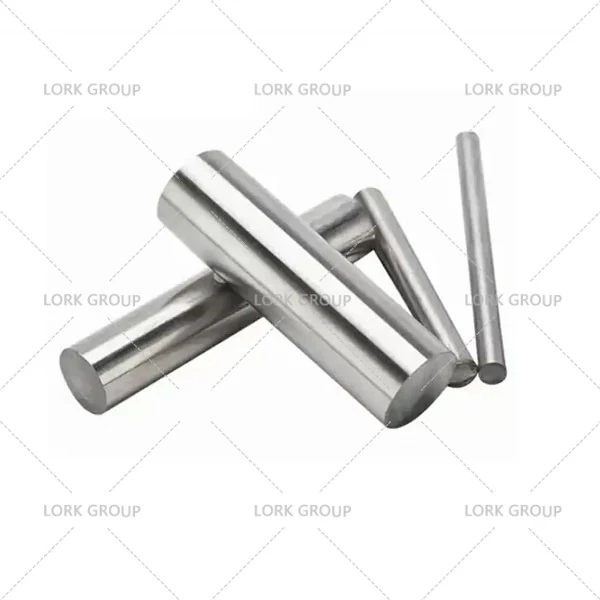
904L Stainless Steel Bar is a super - austenitic stainless steel with high corrosion resistance, especially in aggressive environments. But again, the impact resistance characteristics of 904L can be different from those of AISI 321, and the choice between them will depend on the specific requirements of the application.
Applications Where Impact Resistance of AISI 321 Bars Matters
In the aerospace industry, AISI 321 bars are often used in components that need to withstand both high temperatures and occasional impacts. For example, parts of the engine exhaust system need to be able to handle the heat generated by the engine while also being able to resist any impacts from debris or foreign objects.
In the chemical processing industry, AISI 321 bars are used in equipment that may be subjected to sudden pressure changes or impacts during normal operation. Tanks, pipes, and valves made from AISI 321 need to be able to withstand these forces without failing, as a failure could lead to leaks and potential safety hazards.
Ensuring High - Quality AISI 321 Bars with Good Impact Resistance
As a supplier, I take great care to ensure that the AISI 321 bars I provide have excellent impact resistance. We source our raw materials from reliable suppliers and use strict quality control measures throughout the manufacturing process. Our bars are inspected for defects using advanced non - destructive testing methods, and we also perform regular mechanical property tests, including Charpy impact tests, to ensure that they meet the required standards.
If you're in the market for AISI 321 bars and you're concerned about impact resistance, don't hesitate to reach out. We can provide you with detailed information about the impact resistance of our bars, as well as any other technical specifications you may need. Whether you're working on a small - scale project or a large - scale industrial application, we're here to help you find the right AISI 321 bars for your needs.
Conclusion
In conclusion, the impact resistance of AISI 321 bars is an important property that is influenced by several factors, including microstructure, impurities, and heat treatment. Understanding these factors can help you make informed decisions when choosing AISI 321 bars for your applications. If you have any questions or if you're interested in purchasing AISI 321 bars, feel free to contact us. We're always happy to have a chat and discuss your requirements.
References
- ASM Handbook Volume 1: Properties and Selection: Irons, Steels, and High - Performance Alloys.
- ASTM standards related to stainless steel bars and impact testing.
Send Inquiry