

Is AISI 304 bar suitable for high - pressure applications?
Aug 21, 2025
Leave a message
Hey there! As a supplier of AISI 304 bars, I often get asked if this material is suitable for high-pressure applications. Well, let's dive right in and break it down.
First off, let's talk a bit about what AISI 304 is. AISI 304 is a type of stainless steel that's super popular in a whole bunch of industries. It's got a chemical composition that includes around 18 - 20% chromium and 8 - 10.5% nickel. This combination gives it some pretty cool properties. For starters, it's highly resistant to corrosion. That means it can stand up to all sorts of harsh environments without rusting or deteriorating easily. It's also got good formability, which makes it easy to shape into different sizes and forms, like bars.
Now, when it comes to high-pressure applications, there are a few key factors we need to consider. One of the most important ones is the material's strength. AISI 304 has a decent tensile strength, usually around 515 MPa. That's not too shabby, but in some really high-pressure scenarios, it might not be enough. For example, in applications where the pressure is constantly fluctuating or extremely high, the bar needs to be able to handle the stress without deforming or breaking.

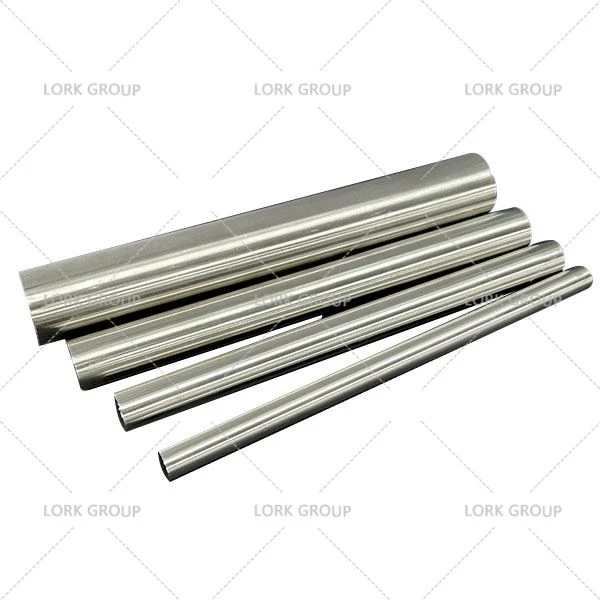
Another factor is the material's ability to withstand fatigue. High-pressure applications often involve cyclic loading, which means the bar is under pressure, then the pressure is released, and this happens over and over again. AISI 304 has a relatively good fatigue resistance, but again, in very demanding situations, it might not hold up as well as some other materials.
Let's compare AISI 304 with some other stainless steel bars that are also used in high-pressure applications. Take the AISI 321 Bar for instance. AISI 321 has titanium added to its composition, which gives it better resistance to intergranular corrosion and higher creep strength. This makes it a great choice for high-temperature and high-pressure applications, especially those where the material is exposed to long-term stress.
Then there's the 15 - 5PH Bar. 15 - 5PH is a precipitation-hardening stainless steel. It can be heat-treated to achieve very high strength levels, much higher than AISI 304. So, in applications where extreme strength is required, 15 - 5PH might be a better option.
And of course, we can't forget about the AISI 316L Bar. AISI 316L has molybdenum in its composition, which gives it even better corrosion resistance than AISI 304, especially in chloride-rich environments. In high-pressure applications where the bar is exposed to corrosive substances, AISI 316L might be a more suitable choice.
But that doesn't mean AISI 304 is completely out of the game when it comes to high-pressure applications. In many cases, it can still be a great option. For example, in applications where the pressure is relatively low to moderate and the environment is not too harsh, AISI 304 can provide a cost-effective solution. It's also widely available, which means you can get it quickly and easily.
If you're considering using AISI 304 bars for high-pressure applications, here are a few things you should keep in mind. First, make sure you understand the exact pressure requirements of your application. This will help you determine if AISI 304 has the strength and fatigue resistance you need. Second, consider the environment in which the bar will be used. If it's a corrosive environment, you might want to think about using a more corrosion-resistant material or applying a protective coating to the AISI 304 bar.
In conclusion, whether AISI 304 bar is suitable for high-pressure applications depends on a variety of factors. It has its strengths, like good corrosion resistance and formability, but it also has its limitations when it comes to extreme pressure and fatigue. If you're unsure whether AISI 304 is the right choice for your project, don't hesitate to reach out. We're here to help you make the best decision for your specific needs.
If you're interested in purchasing AISI 304 bars or want to discuss your high-pressure application requirements further, feel free to get in touch. We can provide you with more detailed information and help you find the perfect solution for your project.
References
- ASM Handbook Volume 1: Properties and Selection: Irons, Steels, and High-Performance Alloys
- Stainless Steel Handbook, 4th Edition
Send Inquiry