

What materials are commonly used for plates and sheets?
Dec 08, 2025
Leave a message
When it comes to plates and sheets, a wide array of materials are commonly employed, each with its unique properties, advantages, and applications. As a plate and sheet supplier, I've had the privilege of working with various materials and understanding their suitability for different industries and purposes. In this blog, I'll delve into some of the most frequently used materials for plates and sheets, providing insights into their characteristics and uses.
Stainless Steel
Stainless steel is one of the most popular materials for plates and sheets, and for good reason. It is an alloy primarily composed of iron, chromium, and nickel, with other elements added to enhance specific properties. The chromium content in stainless steel forms a passive oxide layer on the surface, which provides excellent corrosion resistance. This makes stainless steel ideal for applications where exposure to moisture, chemicals, or harsh environments is a concern.

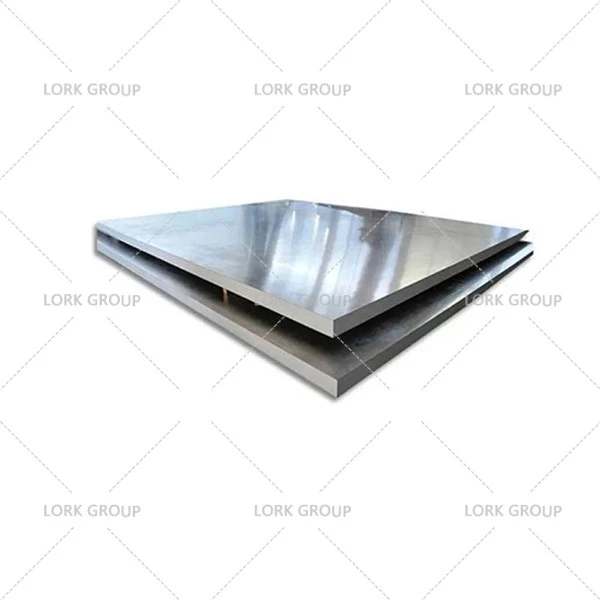
There are several grades of stainless steel, each with its own composition and properties. For example, 304 stainless steel is a versatile grade that is commonly used in a wide range of applications, including kitchen equipment, architectural structures, and automotive parts. It offers good corrosion resistance, formability, and weldability. On the other hand, 316 stainless steel contains molybdenum, which enhances its corrosion resistance in more aggressive environments, such as marine applications and chemical processing plants.
Stainless steel plates and sheets are available in various finishes, including brushed, polished, and embossed, to meet different aesthetic and functional requirements. They can be easily fabricated into different shapes and sizes, making them suitable for a wide range of manufacturing processes.
Aluminum
Aluminum is another widely used material for plates and sheets due to its lightweight, high strength-to-weight ratio, and excellent corrosion resistance. It is a non-ferrous metal that is abundant in the earth's crust, making it a cost-effective option for many applications.
Aluminum plates and sheets are commonly used in the aerospace, automotive, and construction industries. In the aerospace industry, aluminum is used to manufacture aircraft structures, such as wings, fuselages, and landing gear, due to its lightweight and high strength. In the automotive industry, aluminum is used to reduce the weight of vehicles, improving fuel efficiency and performance. In the construction industry, aluminum plates and sheets are used for roofing, siding, and curtain walls, providing a durable and aesthetically pleasing solution.
Aluminum can be alloyed with other elements, such as copper, magnesium, and zinc, to enhance its strength, hardness, and corrosion resistance. Different aluminum alloys are available, each with its own unique properties and applications. For example, 6061 aluminum alloy is a popular choice for structural applications due to its good strength, weldability, and machinability.
Carbon Steel
Carbon steel is a widely used material for plates and sheets, especially in the construction, manufacturing, and energy industries. It is an alloy of iron and carbon, with small amounts of other elements added to improve its properties. The carbon content in carbon steel determines its strength and hardness, with higher carbon content resulting in greater strength and hardness.
Carbon steel plates and sheets are available in various grades, including mild steel, medium carbon steel, and high carbon steel. Mild steel, which has a low carbon content, is the most commonly used grade of carbon steel. It is relatively soft and ductile, making it easy to form and weld. Mild steel is commonly used in construction applications, such as building frames, bridges, and pipelines.
Medium carbon steel has a higher carbon content than mild steel, which gives it greater strength and hardness. It is commonly used in manufacturing applications, such as machinery parts, gears, and shafts. High carbon steel has the highest carbon content of the three grades, which makes it very hard and brittle. It is commonly used in applications where high strength and wear resistance are required, such as cutting tools and springs.
Nickel Alloys
Nickel alloys are a group of materials that are composed primarily of nickel, with other elements added to enhance specific properties. They are known for their excellent corrosion resistance, high temperature strength, and good mechanical properties. Nickel alloys are commonly used in the aerospace, chemical processing, and power generation industries, where they are exposed to harsh environments and high temperatures.
One of the most popular nickel alloys used for plates and sheets is Incoloy 330 Nickel Alloy Plate. Incoloy 330 is a high-temperature alloy that offers excellent resistance to oxidation and carburization. It is commonly used in applications where high temperature and corrosion resistance are required, such as furnace components, heat exchangers, and chemical processing equipment.
Another widely used nickel alloy is Incoloy 901 Nickel Alloy. Incoloy 901 is a precipitation-hardening alloy that offers high strength and excellent corrosion resistance at elevated temperatures. It is commonly used in aerospace applications, such as turbine blades and engine components.
Rene 41 Nickel Alloy Sheet is also a well-known nickel alloy that is used in high-temperature applications. Rene 41 is a high-strength alloy that offers excellent resistance to oxidation and creep at elevated temperatures. It is commonly used in aerospace and gas turbine applications, such as turbine disks and blades.
Titanium
Titanium is a lightweight, strong, and corrosion-resistant metal that is commonly used in the aerospace, medical, and automotive industries. It has a high strength-to-weight ratio, which makes it ideal for applications where weight reduction is a priority. Titanium is also biocompatible, which means it is not rejected by the human body, making it suitable for medical applications, such as implants and prosthetics.
Titanium plates and sheets are available in various grades, including commercially pure titanium and titanium alloys. Commercially pure titanium is the most commonly used grade of titanium. It is relatively soft and ductile, making it easy to form and weld. Commercially pure titanium is commonly used in applications where corrosion resistance is the primary concern, such as chemical processing equipment and marine applications.
Titanium alloys are alloyed with other elements, such as aluminum, vanadium, and molybdenum, to enhance their strength, hardness, and corrosion resistance. Different titanium alloys are available, each with its own unique properties and applications. For example, Ti-6Al-4V is a popular titanium alloy that is used in aerospace applications due to its high strength, low weight, and excellent corrosion resistance.
Conclusion
In conclusion, there are many materials commonly used for plates and sheets, each with its own unique properties, advantages, and applications. As a plate and sheet supplier, I understand the importance of selecting the right material for the job. Whether you need stainless steel for its corrosion resistance, aluminum for its lightweight, carbon steel for its strength, nickel alloys for their high temperature performance, or titanium for its biocompatibility, I can provide you with the right material to meet your specific requirements.
If you're interested in purchasing plates and sheets or have any questions about the materials mentioned in this blog, please feel free to contact me. I'd be happy to discuss your needs and provide you with a quote. Let's work together to find the perfect solution for your project.
References
- ASM Handbook, Volume 1: Properties and Selection: Irons, Steels, and High-Performance Alloys
- Aluminum Association: Aluminum Design Manual
- Nickel Institute: Nickel Alloys - Properties and Applications
- Titanium Information Group: Titanium - The Miracle Metal
Send Inquiry