

How does the composition affect the properties of Haynes 25 Bars?
Jul 10, 2025
Leave a message
Haynes 25 bars, also known as L-605, are a cobalt - based alloy renowned for their exceptional performance in a wide range of high - stress and high - temperature applications. As a trusted supplier of Haynes 25 bars, I've witnessed firsthand how the composition of these bars significantly influences their properties. In this blog, we'll delve into the key elements in the composition of Haynes 25 bars and explore how they shape the alloy's characteristics.
Composition of Haynes 25 Bars
The primary components of Haynes 25 bars include cobalt (Co), chromium (Cr), tungsten (W), and nickel (Ni), along with smaller amounts of other elements such as iron (Fe), manganese (Mn), silicon (Si), carbon (C), and boron (B). Each element plays a crucial role in determining the overall properties of the alloy.
Cobalt (Co)
Cobalt is the base metal in Haynes 25 bars, typically making up around 49% of the alloy. Cobalt provides excellent high - temperature strength and resistance to thermal fatigue. It has a high melting point, which allows the alloy to maintain its structural integrity at elevated temperatures. The crystal structure of cobalt - based alloys is stable at high temperatures, preventing the formation of brittle phases that could compromise the material's performance.
Chromium (Cr)
Chromium is present in Haynes 25 bars at approximately 20%. Chromium is well - known for its ability to form a passive oxide layer on the surface of the alloy. This oxide layer acts as a protective barrier, preventing corrosion and oxidation. In high - temperature environments, the chromium oxide layer helps to slow down the rate of oxidation, ensuring the long - term durability of the bars. Additionally, chromium enhances the alloy's strength and hardness through solid - solution strengthening.
Tungsten (W)
Tungsten is added to Haynes 25 bars at about 15%. Tungsten is one of the densest and hardest metals, and it significantly contributes to the alloy's high - temperature strength. Tungsten atoms are large and can form strong bonds with other elements in the alloy, impeding the movement of dislocations. This results in increased resistance to deformation at high temperatures. Tungsten also improves the creep resistance of the alloy, which is crucial in applications where the bars are subjected to long - term stress at elevated temperatures.
Nickel (Ni)
Nickel makes up around 10% of the Haynes 25 alloy. Nickel improves the alloy's toughness and ductility. It also enhances the alloy's resistance to corrosion in a variety of environments, including those containing acids and alkalis. Nickel is soluble in cobalt and helps to stabilize the crystal structure of the alloy, promoting uniform properties throughout the material.
Other Elements
- Iron (Fe): Iron is present in small amounts (up to 3%). While iron can reduce the alloy's corrosion resistance to some extent, it is added to improve the alloy's workability during manufacturing processes such as forging and machining.
- Manganese (Mn) and Silicon (Si): Manganese and silicon are typically present at less than 2% each. These elements act as deoxidizers during the melting process, removing oxygen and other impurities from the alloy. They also contribute to the alloy's strength and toughness.
- Carbon (C): Carbon is added at around 0.1%. Carbon forms carbides with elements such as chromium and tungsten. These carbides can strengthen the alloy by pinning dislocations and preventing grain growth at high temperatures. However, excessive carbon content can lead to the formation of brittle carbides, which may reduce the alloy's ductility.
- Boron (B): Boron is present in trace amounts (less than 0.01%). Boron improves the grain boundary strength of the alloy, enhancing its creep resistance and high - temperature ductility.
How Composition Affects Properties
Mechanical Properties
- Strength: The combination of cobalt, chromium, tungsten, and nickel gives Haynes 25 bars excellent high - temperature strength. Tungsten's ability to impede dislocation movement and the solid - solution strengthening provided by chromium and nickel contribute to the alloy's high yield and ultimate tensile strengths. For example, at temperatures up to 1200°F (650°C), Haynes 25 bars can maintain a high level of strength, making them suitable for applications in gas turbine engines and high - temperature valves.
- Toughness and Ductility: Nickel and the carefully controlled carbon content help to maintain the alloy's toughness and ductility. Nickel enhances the material's ability to absorb energy before fracturing, while the right amount of carbon ensures that the alloy remains malleable. This is important in applications where the bars may be subjected to impact loads or bending.
Corrosion and Oxidation Resistance
- Corrosion Resistance: The chromium content in Haynes 25 bars is the key to its corrosion resistance. The passive chromium oxide layer forms spontaneously in the presence of oxygen and protects the underlying metal from corrosive agents. The addition of nickel also helps to improve the alloy's resistance to corrosion in various media, including acidic and alkaline solutions.
- Oxidation Resistance: At high temperatures, the chromium and cobalt in Haynes 25 bars form a stable oxide layer that protects the alloy from oxidation. Tungsten also plays a role in enhancing oxidation resistance by contributing to the stability of the alloy's structure at high temperatures.
Thermal Properties
- Thermal Stability: The high - melting - point elements such as cobalt and tungsten give Haynes 25 bars excellent thermal stability. The alloy can withstand rapid temperature changes without significant dimensional changes or loss of strength. This makes it suitable for applications in thermal cycling environments, such as in heat exchangers.
- Thermal Conductivity: The composition of Haynes 25 bars also affects its thermal conductivity. While the alloy is not as thermally conductive as some pure metals, its thermal conductivity is sufficient for many high - temperature applications. The combination of elements in the alloy results in a balanced thermal conductivity that allows for efficient heat transfer while maintaining the necessary strength and corrosion resistance.
Comparison with Other Alloys
When compared to other alloys such as Hastelloy C4 Alloy Bar, Incoloy 330 Nickel Alloy, and Hastelloy C276 Bars, Haynes 25 bars have distinct advantages. Hastelloy C4 is a nickel - chromium - molybdenum alloy known for its excellent corrosion resistance in reducing environments. However, Haynes 25 bars offer better high - temperature strength and thermal fatigue resistance. Incoloy 330 is a nickel - iron - chromium alloy with good oxidation and carburization resistance, but Haynes 25 has superior high - temperature strength and creep resistance. Hastelloy C276 is a versatile nickel - based alloy with outstanding corrosion resistance, but Haynes 25 is better suited for high - temperature, high - stress applications.
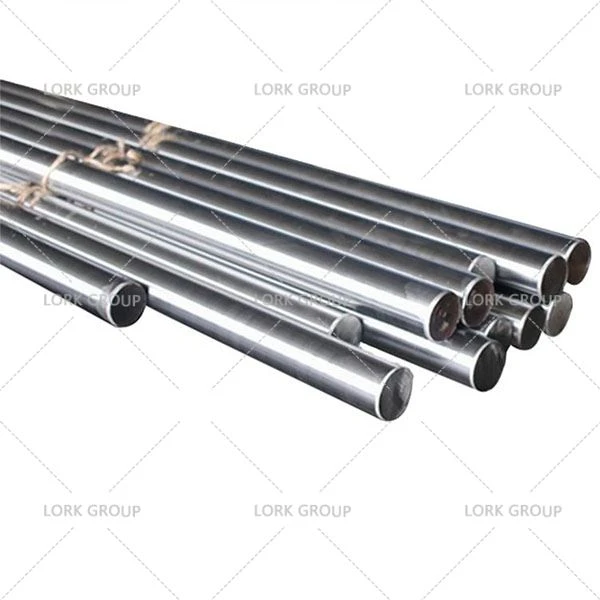

Applications of Haynes 25 Bars
The unique properties of Haynes 25 bars make them suitable for a wide range of applications. They are commonly used in the aerospace industry for components such as turbine blades, combustion chambers, and exhaust nozzles. In the chemical processing industry, Haynes 25 bars are used in equipment that operates at high temperatures and in corrosive environments, such as reactors and heat exchangers. They are also used in the power generation industry for parts in gas turbines and steam turbines.
Conclusion
As a supplier of Haynes 25 bars, I understand the critical role that composition plays in determining the properties of these bars. The careful balance of cobalt, chromium, tungsten, nickel, and other elements results in an alloy with exceptional high - temperature strength, corrosion resistance, and thermal stability. Whether you're in the aerospace, chemical processing, or power generation industry, Haynes 25 bars can provide the performance and reliability you need.
If you're interested in learning more about Haynes 25 bars or are looking to purchase them for your specific application, I encourage you to contact us for a detailed discussion. Our team of experts can help you select the right bars based on your requirements and provide you with all the necessary technical support.
References
- Davis, J. R. (Ed.). (2000). ASM Specialty Handbook: High - Temperature Alloys. ASM International.
- Schütze, M. (2001). Oxidation of High - Temperature Alloys. Wiley - VCH.
- Reed, R. C. (2006). The Superalloys: Fundamentals and Applications. Cambridge University Press.
Send Inquiry